Asian markets mixed as investors weigh Anthropic's record IPO against Fed rate hike risks
Japan's Nikkei gains 0.55%, while the Topix and Hang Seng futures slip, as Anthropic's $83-a-share listing tests appetite for AI stocks after recent losses. US futures advance even as minutes from the Federal Reserve's October meeting point to possible rate increases in the months ahead.
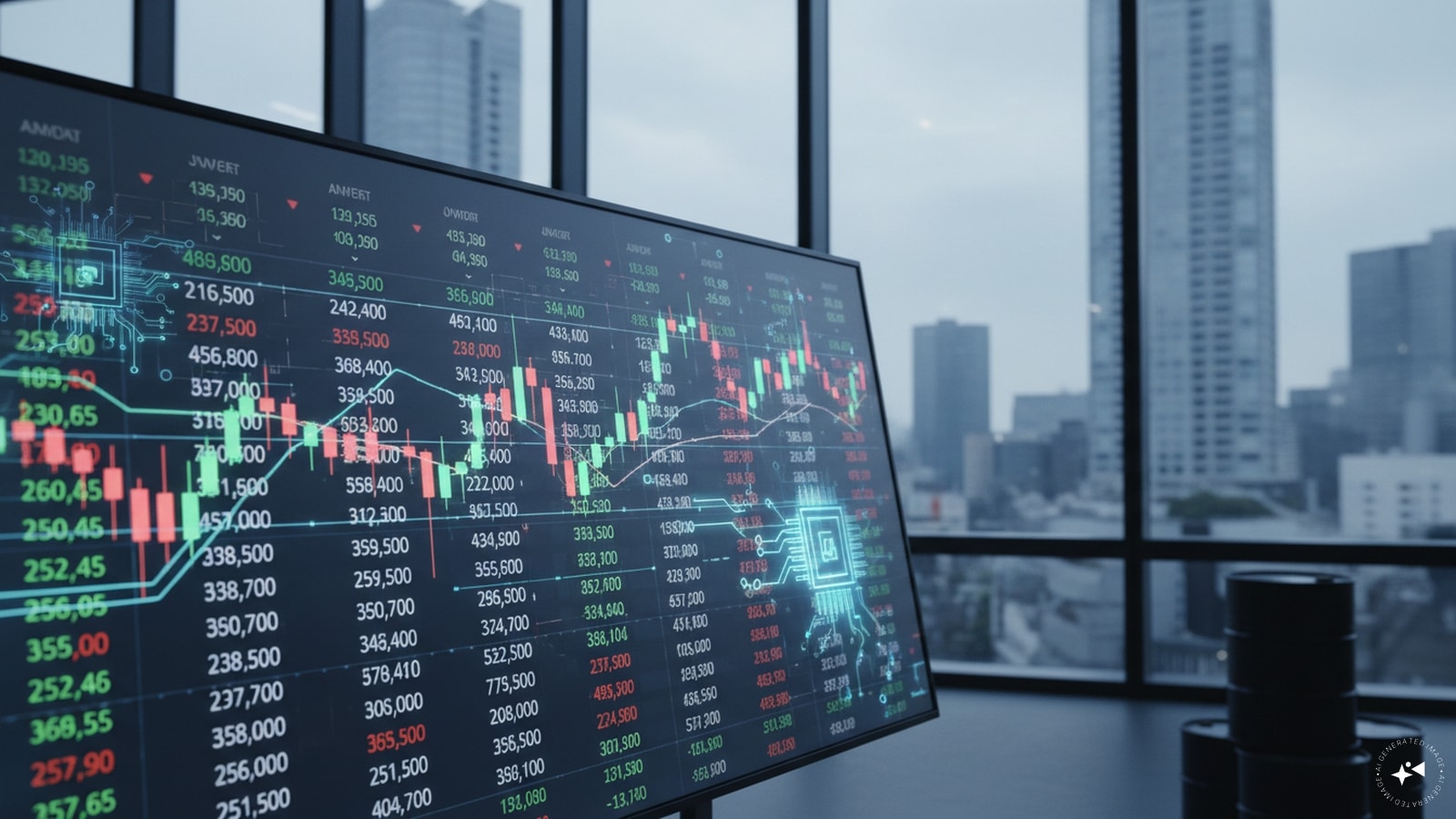
Asian equities traded mixed on Thursday November 19, as investors weighed Anthropic's record initial public offering against a sharp selloff in commodities and the prospect of further US interest-rate rises.Japan's Nikkei 225 gained 0.55%, after opening little changed. The broader Topix slipped 0.26%. Hang Seng futures lost 0.5%.South Korea's market will open for regular trading at 10 am local time instead of 9 am, and will close at 4:30 pm, an hour later than usual today on account of the country's 2027 College Scholastic Ability Test, known as Suneung.The change eases morning traffic so students can reach their college entrance exam centres on time.
Authorities also asked government offices and businesses to start later.In India, the GIFT Nifty which indicates how the country's stock market could open for the day's trade implied at a gap down at open.In currency markets, the Japanese yen held at 159.42 per dollar, and the offshore yuan stood at 6.6681.US equity-index futures rose as Nasdaq 100 contracts climbed 0.9% and S&P 500 contracts added 0.5%. Anthropic priced its IPO at $83 a share, above the marketed range, in the largest first-time share sale on record. It is also the first listing by a frontier AI lab.
US Treasuries meanwhile rose for a third day.The offering will test investor appetite for technology stocks after recent losses. Nvidia, a key gauge of the AI trade, has tumbled in recent weeks after Jensen Huang's ouster and growing fears that AI spending may slow. Anthropic's debut also puts it ahead of OpenAI, which does not plan to list before 2027.According to a regulatory filing on Thursday, Anthropic raised about $3 billion there by selling 36.1 million Class A shares.
That sat at the low end of its target. It had expected to sell 38.5 million to 50 million shares and raise $3 billion to $3.5 billion.Japan is one of the few places where household buyers had direct access to the IPO as per a Bloomberg report.The Fed's October minutes showed nearly all officials expected to raise rates "in the months ahead" to bring inflation back to 2%. Two policymakers said a move larger than 25 basis points could be justified in December if inflation data disappointed according to a Bloomberg report.San Francisco Fed President Mary Daly urged a measured approach, while Governor Michael Barr said higher borrowing costs would likely be appropriate, the report noted.Oil prices, meanwhile, steadied on Thursday, after a sharp slide in the previous session, as traders weighed what comes next in the US-Iran conflict.
Brent crude traded at $91.43 a barrel in early Asian trade, having closed below $92 on Wednesday. West Texas Intermediate held near $83 a barrel after it lost 3.2% in the midweek session.With Agency Inputs
Related Stories

Anthropic shares set for Nasdaq debut today; Wall Street brokerages see up to 87% upside from IPO price: Report
Four brokerages issued bullish ratings, with price targets implying potential gains of 51% to 87%, citing growth prospects and rising AI adoption.

European shares rebound as Anthropic IPO boosts tech stocks; Commerzbank rallies
European equities recovered on Thursday, snapping a three-day losing streak as chipmakers and tech shares surged ahead of Anthropic's record $81.3 billion Nasdaq debut. Banking stocks also lent support, with Commerzbank and UniCredit advancing after reaching a key breakthrough with Berlin over their proposed takeover deal, offsetting losses in pharma major Novartis.
Fed flags financial stability risks from AI investment boom, elevated asset valuations
The US Federal Reserve has flagged financial stability risks from the AI investment boom, elevated asset valuations and rising hedge fund leverage. Policymakers warned that disappointing returns on AI investments, heavy borrowing and concentrated market exposure could trigger broader financial disruptions, even as banks and households remain relatively resilient.