Fed flags financial stability risks from AI investment boom, elevated asset valuations
The US Federal Reserve has flagged financial stability risks from the AI investment boom, elevated asset valuations and rising hedge fund leverage. Policymakers warned that disappointing returns on AI investments, heavy borrowing and concentrated market exposure could trigger broader financial disruptions, even as banks and households remain relatively resilient.
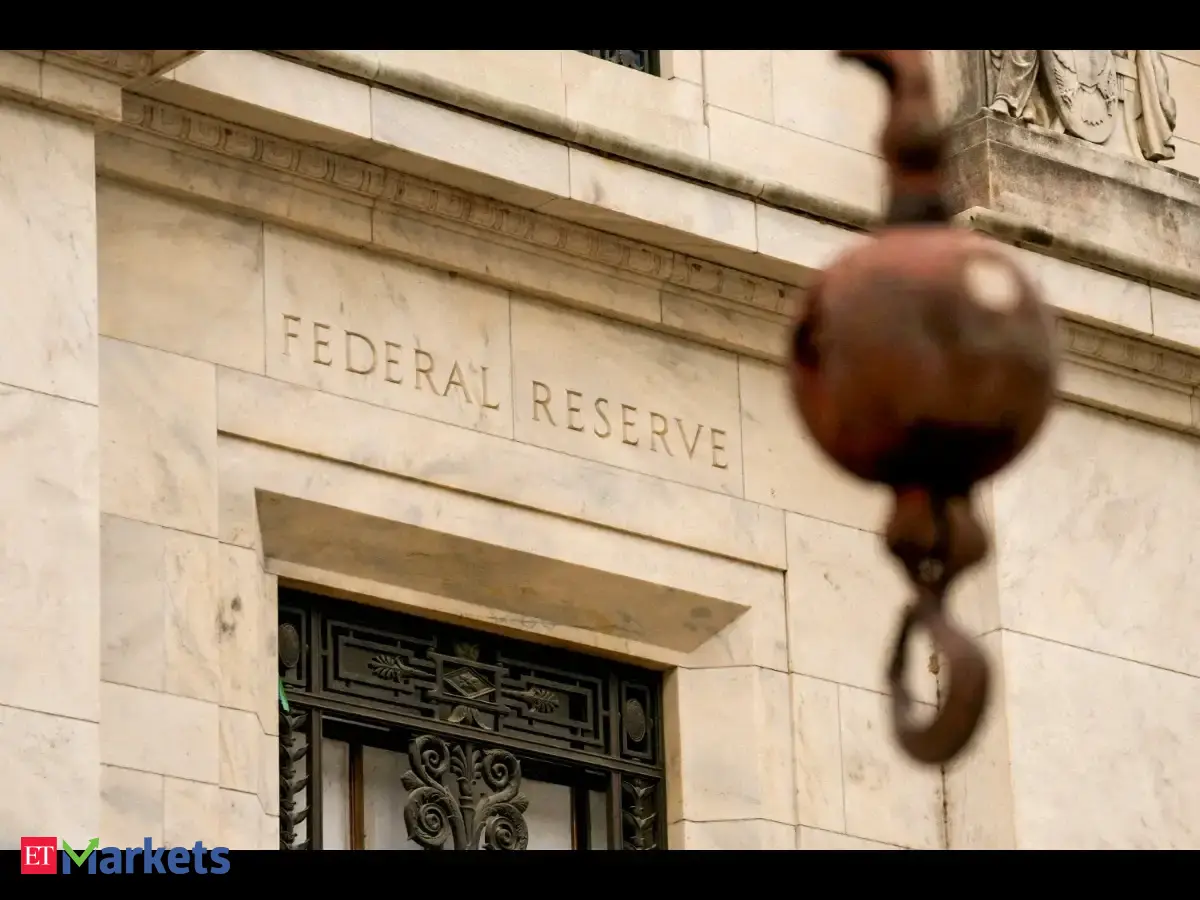
The US Federal Reserve is monitoring financial stability risks stemming from aggressive investment in artificial intelligence (AI) and elevated asset valuations , as policymakers warned that disappointing returns from the technology boom could trigger broader financial market disruptions, Reuters reported.
Minutes of the Fed's October 27-28 policy meeting, released on Wednesday, showed that officials were concerned about the potential consequences of heavy AI-related borrowing, rising leverage among hedge funds and concentrated exposure to a small number of companies.
According to Reuters, Fed policymakers and central bank staff raised these concerns as part of a broader assessment of vulnerabilities in the financial system. The review found that elevated asset valuations and hedge fund leverage were among the most significant sources of risk, although strong balance sheets among banks and households offered some protection against severe financial shocks.
Read more: South Korean shares fall over 1% as hawkish Fed remarks weigh on sentiment
Policymakers were particularly concerned about the possibility that returns on AI investments could fall short of investor expectations. The minutes highlighted the rapid growth of AI-related debt , much of which has been channelled through complex and relatively opaque financing structures, Reuters reported.
Some officials also flagged the concentration of AI exposure among a limited number of companies, raising concerns that setbacks involving major players could have wider consequences for financial markets and the economy.
Hedge funds emerged as another area of concern, with policymakers identifying high leverage and limited capacity among financial dealers to intermediate transactions as potential channels through which market stress could intensify, Reuters reported,
Although Fed staff described the financial system as resilient and noted that banks had ample access to liquidity, some policymakers cautioned that vulnerabilities within the banking sector could emerge rapidly despite initially reassuring assessments. Officials also questioned whether existing regulatory data fully captured the extent of financial institutions' exposure to potential risks.
Read more: Japan stocks fall as metal shares slide; investors await Anthropic IPO debut
Fed weighs measures to strengthen financial resilience
The minutes also revealed discussions among policymakers about measures to improve the financial system's ability to withstand future disruptions.
A few officials considered increasing capital requirements for banks, while others emphasised the importance of ensuring that lenders were better prepared to access the Fed's emergency lending discount window during periods of market stress.
Some policymakers also discussed the possibility of creating a dedicated asset-purchasing mechanism aimed specifically at addressing financial stability risks.
The debate comes as the Federal Reserve reassesses how it uses its balance sheet as a policy tool. Its holdings expanded significantly following large-scale bond-buying programmes introduced during the 2008 global financial crisis and the COVID-19 pandemic.
According to Reuters, the pandemic-era bond purchases initially designed to stabilise markets eventually evolved into a broader monetary stimulus programme, highlighting the challenges of distinguishing between emergency market support and conventional monetary easing.
Cleveland Fed President Beth Hammack has advocated a more clearly defined framework for such interventions, including an exit strategy to unwind bond holdings once financial stability has been restored. She has argued that any asset-purchasing programme should be temporary, with holdings sold in a timely manner after market conditions normalise, Reuters reported.
Several policymakers, however, cautioned against relying on monetary policy to address financial market disruptions, suggesting that other tools may be more appropriate for containing emerging vulnerabilities.
The minutes also showed that almost all Fed policymakers believed further interest rate increases could be necessary if the economy developed in line with their expectations. Officials had kept interest rates unchanged at the October meeting amid persistent inflation concerns.
The growing importance of AI and technology investment in driving economic growth could complicate the Fed's policy decisions if a significant correction in the sector were to threaten broader financial stability.
Related Stories

Anthropic shares set for Nasdaq debut today; Wall Street brokerages see up to 87% upside from IPO price: Report
Four brokerages issued bullish ratings, with price targets implying potential gains of 51% to 87%, citing growth prospects and rising AI adoption.

European shares rebound as Anthropic IPO boosts tech stocks; Commerzbank rallies
European equities recovered on Thursday, snapping a three-day losing streak as chipmakers and tech shares surged ahead of Anthropic's record $81.3 billion Nasdaq debut. Banking stocks also lent support, with Commerzbank and UniCredit advancing after reaching a key breakthrough with Berlin over their proposed takeover deal, offsetting losses in pharma major Novartis.

Anthropic Share Price Live: Countdown begins for $81.3 billion blockbuster Nasdaq debut
The Claude chatbot maker has raised a record $81.3 billion through its IPO, making it the largest public offering in the history of global equity markets, surpassing SpaceX's $75 billion listing earlier this year.