Sensex, Nifty close higher ahead of RBI policy outcome; capital goods, banks, pharma stocks lead gains - BusinessToday
Stocks such as Trent, Kotak Mahindra Bank, HUL, Reliance, IndiGo, Eternal and Asian Paints shares were the top Sensex gainers today, rising up to 13%.

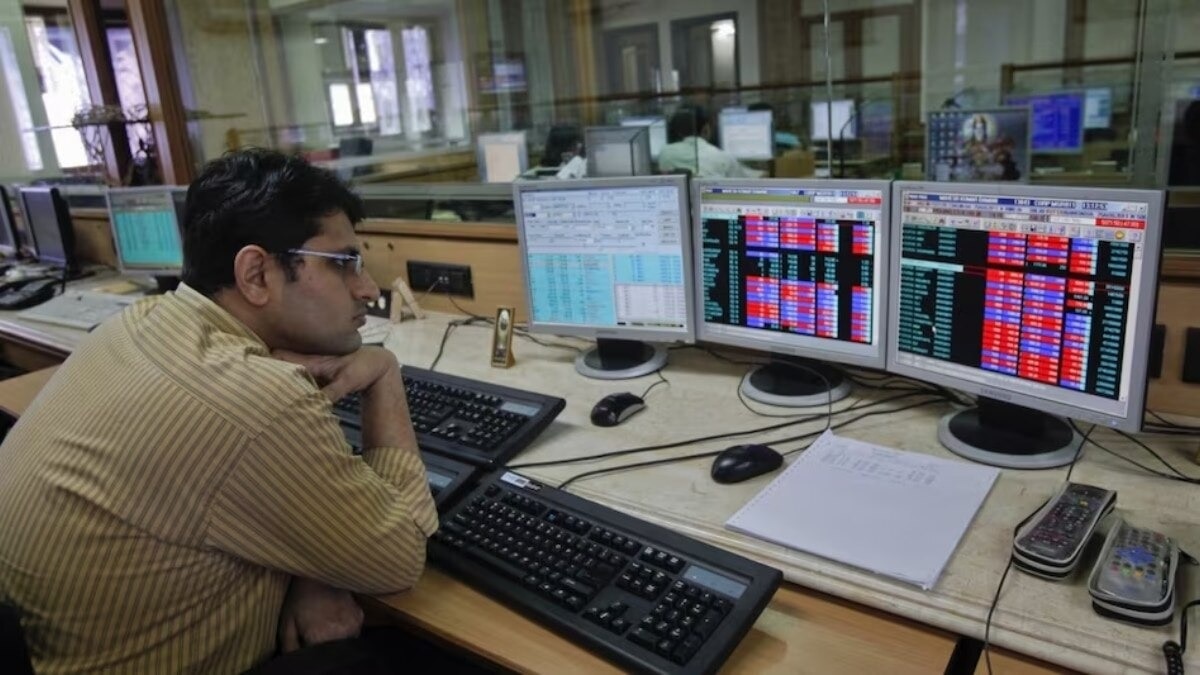
Stock market today: Indian equities ended higher for the second straight session on Tuesday on positive global cues. Sensex gained 685 pts to 73,067 and Nifty rose 220 pts to 22,776. Market cap of BSE-listed firms rose to Rs 473.61 lakh crore a day ahead of the RBI monetary policy decision on Wednesday.
Stocks such as Trent, Kotak Mahindra Bank, HUL, Reliance, IndiGo, Eternal and Asian Paints shares were the top Sensex gainers today, rising up to 13%.
Tech Mahindra, Titan, Bajaj Finance and ITC were the top Sensex losers, falling up to 2.3%.
Capital goods, banking, pharma stocks led the gains with the BSE Capital goods index rising 1333 pts to 75,749, pharma index gaining 552 pts and BSE bankex ending 330 pts higher at 62,118.
Sunny Agrawal, Deputy Vice President - Fundamental Research at SBI Securities said, "Market gained for the 2nd consecutive session as global cues remained supportive. Stocks reporting their 2QFY27 business updates were in focus with Honasa Consumer, Meesho, Trent, Dabur closing higher by 8%, 6%, 12% and 3% respectively in today's session following strong updates. US Futures are trading 0.5% higher currently. The US 10-year yield at 5.27% has also come off slightly from the morning highs, lending strength to the Indian market."
Ajit Mishra, SVP – research, Religare Broking said, "Markets extended their recovery on the weekly expiry day, with the benchmarks gaining nearly a percent as easing crude prices and encouraging Q2 business updates supported the sentiment. Technically, the 22,800–22,850 zone is likely to act as the immediate hurdle, followed by the broader resistance around 23,000-23,200 while 22,600-22,400 remains the key near-term support. With the broader market structure remaining cautious amid elevated global macro risks, volatility is likely to stay high, favouring a selective, stock-specific approach as opportunities emerge."
Global market signals turned relatively favourable as Brent crude prices eased below the $100-per-barrel mark, supported by stable oil prices and an increase in crude exports from West Asia. The decline in energy prices offers some relief on the inflation front and provided a supportive backdrop for equities.
Domestic investors, meanwhile, will be focused on the Reserve Bank of India’s Monetary Policy Committee meeting scheduled for tomorrow. Beyond the policy decision, the RBI’s commentary will be closely watched for clues on the central bank’s assessment of growth, inflation and the broader economic outlook.
The policy meeting comes against a challenging global backdrop, with continuing geopolitical tensions in West Asia adding uncertainty to commodity markets. At the same time, the US Federal Reserve’s rate hike has raised concerns over tighter global financial conditions, potentially influencing capital flows, currency movements and investor sentiment in emerging markets such as India.
Sensex climbed 472.77 points or 0.66 per cent to close at 72,382.47, while the NSE Nifty50 index rose 133.80 points or 0.60 per cent to end at 22,555.75.
Related Stories

HDFC Bank vs Axis Bank: Both shares recover after Q2 sell-off; which banking stock offers higher upside? Check targets
HDFC Bank and Axis Bank shares have rebounded since October, putting both lenders back in focus. Axis Bank posted stronger quarterly profit growth, while HDFC Bank delivered healthy lending growth and improved asset quality.

UPL likely to revise February 2026 corporate restructuring plan soon: Exclusive
An update on the reorganisation has been widely viewed by market participants and brokerages as a key near-term catalyst for the UPL stock.
Nifty Bank at all time high; 3 stocks need up to 2,200% rise to revisit peaks! -
Ashika Institutional Equities said the key determinants of sector performance in H2FY27 would be banks' ability to sustain deposit mobilisation following the Q2 FCNR(B)-led inflows.