SEBI rules out extension of market trading hours
SEBI Chairman Tuhin Kanta Pandey states no plans to extend market trading hours like US, citing operational challenges and risks. Focus remains on reforms, transparency, and improving foreign investor access.
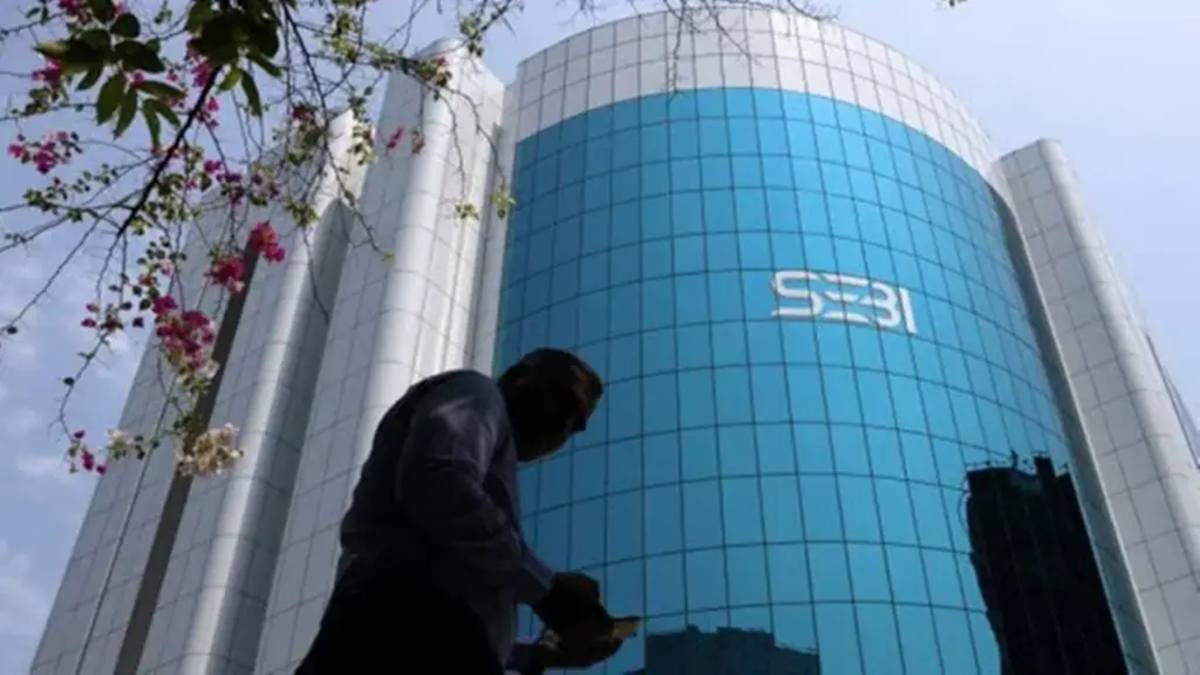
The Securities and Exchange Board of India (SEBI) is not considering any extension of market trading hours like US exchanges that are preparing to move towards near-continuous trading, Chairman Tuhin Kanta Pandey said on Wednesday.
Speaking to reporters on the sidelines of the 65th World Federation of Exchanges (WFE) General Assembly and Annual Meeting, Pandey said extending trading hours would bring operational challenges, including liquidity management and cybersecurity risks. He also questioned whether longer trading sessions were necessarily the most efficient way to facilitate continuous trading.
Any proposal to extend market hours must have a clearly defined objective, with the potential benefits weighed against the costs and risks involved, he said. The remarks come as US markets prepare to introduce near-continuous trading of 23 hours a day, five days a week, from December 6.
On margin trading, Pandey said SEBI was examining changes to the margin trading facility (MTF), although no final decision had been taken. The facility allows investors to purchase securities using funds borrowed from brokers against prescribed margins.
The regulator is also undertaking a comprehensive review of the Listing Obligations and Disclosure Requirements (LODR) and Issue of Capital and Disclosure Requirements (ICDR) regulations to reflect the significant changes in India’s capital markets in recent years.
On the possibility of dual listing of securities across Indian and overseas exchanges, Pandey flagged structural and regulatory hurdles. India’s capital account restrictions and its segregated market infrastructure pose challenges, particularly when compared with the omnibus account structures prevalent in several overseas markets.
He said Sebi’s immediate priority was to simplify onboarding for foreign portfolio investors (FPIs) and improve access to Indian exchanges for non-resident Indians (NRIs) and persons resident outside India (PROIs). Reconciling India’s regulatory framework with overseas omnibus structures remains a key challenge.
On reforms to the securities lending and borrowing mechanism (SLBM), Pandey said transparency would be central to the proposed framework. He made it clear that Sebi did not favour introducing over-the-counter (OTC) trading into the mechanism.
“Hopefully, we will be able to work out a model which is an enthusiastic and transparent model for the world,” he said, adding that emerging markets such as India should adopt modern, transparent frameworks rather than merely replicate models followed elsewhere.
On Demat 2.0, Pandey said SEBI would assess the efficiency and cost implications of extending distributed ledger technology to equity transactions, given the enormous scale and volume of daily trading. The technology has so far been introduced only for the tokenisation of corporate bonds.
Addressing the WFE gathering earlier, Pandey identified growth, trust and resilience as the three key priorities for India’s capital markets.
He also cautioned that the increasing adoption of artificial intelligence was creating new risks involving model reliability, data governance, cybersecurity and dependence on a handful of technology providers.
Market participants, he said, must ensure that governance standards and safeguards evolve alongside technological innovation.
Related Stories

US Stock Market: Nasdaq preparing to roll out 23-hour-a-day trading from this date – Key facts for investors
New trading schedule will operate five days a week, expanding access to US equities for global investors while retaining the regular market session and investor safeguards
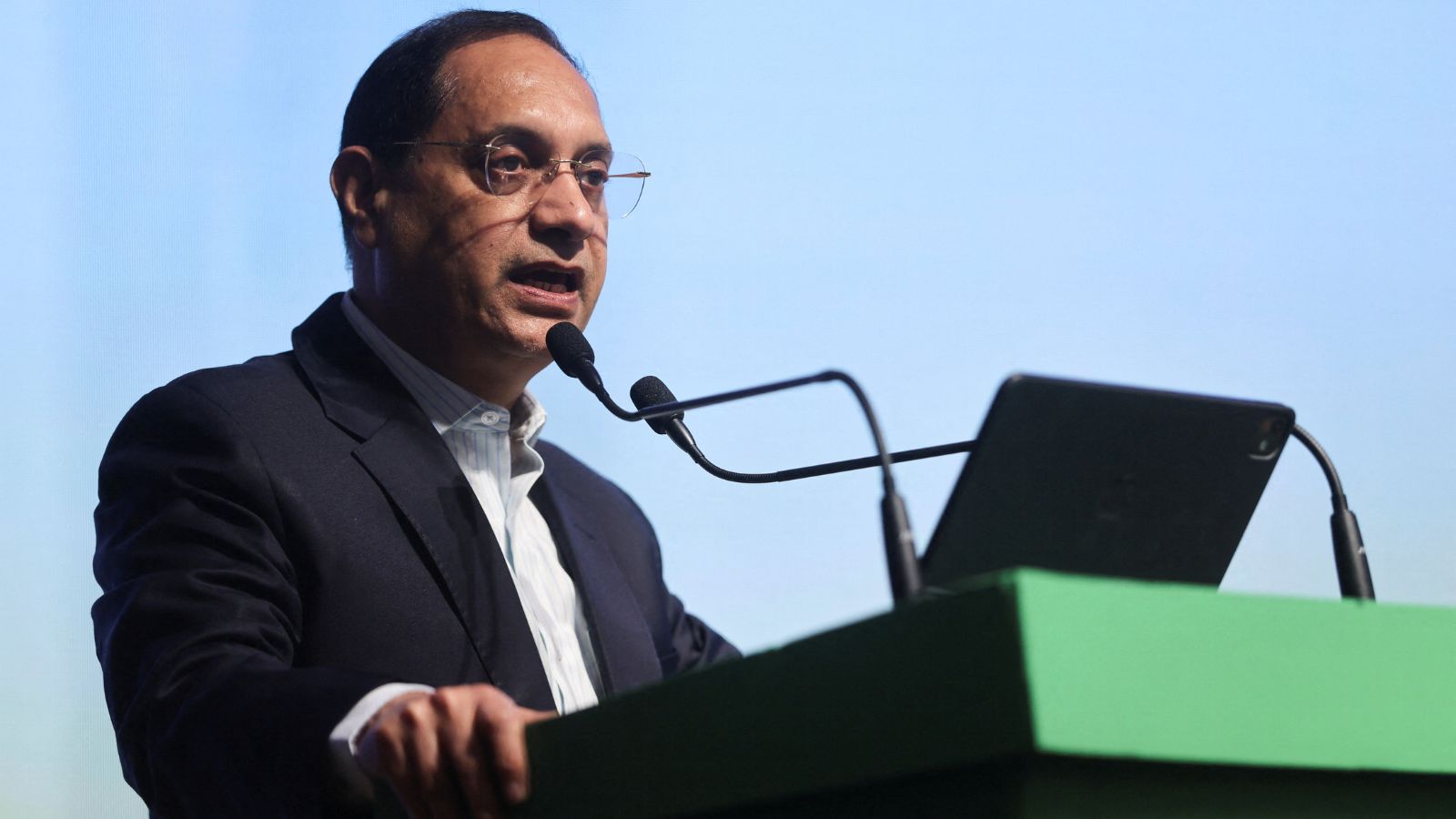
Market hours extension not a priority; SEBI mulling to strengthen margin trading facility: Pandey
SEBI Chairman Tuhin Kanta Pandey has indicated that extending market trading hours is not a priority, citing cybersecurity, liquidity and investor-related concerns, while outlining other regulatory considerations.

Infosys share price: Lost 1/4th investor wealth in 1 year, should you still buy the IT major? Check target, stop loss
Infosys shares have fallen sharply over the past year. Monarch Networth Capital sees a potential reversal around long-term support and recommends accumulating shares, with a target of ₹1,400–1,550 and a closing-basis stop loss below ₹980.