
Sebi backs removal of long-term capital gains tax for foreign investors
The recommendations, which come months before the annual federal budget in February, are not binding and a final call rests with the government
India's markets regulator has recommended the government remove the long-term capital gains (LTCG) tax imposed on foreign investors, two sources with direct knowledge of the matter said, as India looks to galvanise its underachieving equity markets. The Securities and Exchange Board of India (Sebi) has also proposed tax relief for domestic mutual fund investors, suggesting they be exempt from LTCG if they are selling existing holdings to invest in new ones, the sources said. The recommendations, which come months before the annual federal budget in February, are not binding and a final call rests with the government.
India's equity market has lagged emerging market peers over the past two years. Foreign investors have sold a record $31 billion in Indian stocks this year and overseas investments by retail investors have surged as returns have stagnated. Sebi's recommendations follow scores of meetings held by the regulator with foreign investors over the last two years as selling persisted, putting pressure on the Indian currency.
One consistent piece of feedback from investors has been the need to change how India taxes them, the sources said. "The proposals are aimed at reducing the upfront tax burden on foreign investors," one of the two sources said. The sources declined to be named as the recommendations, which have not been reported previously, are part of its pre-budget representations and are private.
Email queries sent to Sebi and the federal finance ministry were not answered. WOOING FOREIGN INVESTORS Sebi has said that transaction costs associated with investing in equities in India are among the highest across jurisdictions. Investors currently pay long-term capital gains tax of 12.5 per cent for securities held for more than a year and short-term capital gains tax of 20 per cent, in addition to securities transaction taxes on trades and withholding taxes on dividends.
Brokerage firm Jefferies in a note earlier this week said any reduction in capital gains taxes could improve the market's attractiveness for foreign investors and support portfolio inflows. Brokerage firm IIFL estimates scrapping capital gains tax could lift foreign investors' returns by 2.3 percentage points. RELIEF FOR DOMESTIC MUTUAL FUND INVESTORSIndia's benchmark Nifty 50 has declined 4.8 per cent in the last two years while the MSCI emerging market index is up 40 per cent.
Returns from diversified domestic equity mutual funds -- now a common way of saving for retail investors -- have also stagnated over this period. Average returns from funds investing in large-cap stocks are down 1.6 per cent, according to data from fund research firm Morningstar. To encourage investors to stay invested in domestic mutual funds, Sebi has recommended that switching from one mutual fund scheme to another should not be treated as a taxable sale if the units have been held for more than a year, the sources said. Indian mutual funds hold ₹82.6 trillion ($870.80 billion) in assets under management, with an average of ₹3,000 crore flowing in each month via monthly investment schemes.
Related Stories

Last chance to buy today ahead of record date! BN Agrochem announces split, stock delivers 28% return in 2 weeks
BN Agrochem shares were in focus ahead of the November 16 record date for a 1:10 stock split. Under the T+1 settlement cycle, November 13 was the final day to buy shares and qualify. The stock hit its sixth consecutive upper circuit, despite steep declines over the past year.
Stock Market Today: GIFT Nifty signals muted start; Brent Crude at $95/bbl
Stock market today: GIFT Nifty signals a muted start as Brent crude trades near $95, Asian markets rise and US stocks close lower.
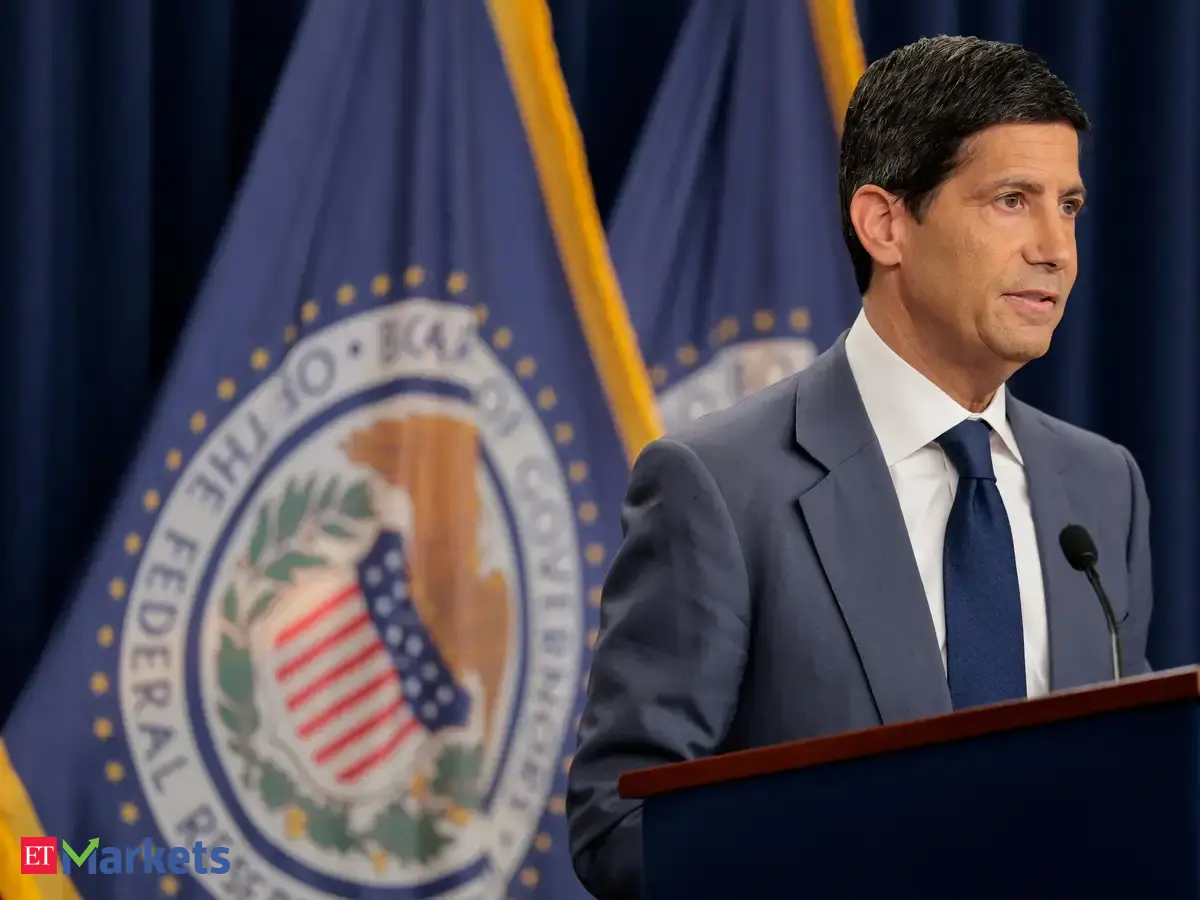
US Fed sets new meeting schedule for 2027, as foretold by Chairman Kevin Warsh
The Federal Reserve will hold seven rate-setting meetings in 2027 instead of the customary eight, while dedicating its October gathering to broader monetary-policy strategy. The revised schedule also moves the years final policy meeting to November and removes designations for quarterly economic projections as Chair Kevin Warsh reviews the Feds communication practices.