
Sebi backs LTCG tax relief for FPIs: What is the tax and how does it work?
LTCG Tax: Sebi has backed a proposal to remove long-term capital gains tax for foreign investors. But what is LTCG tax, which investments does it apply to, and how is it calculated? Here's all you need to know
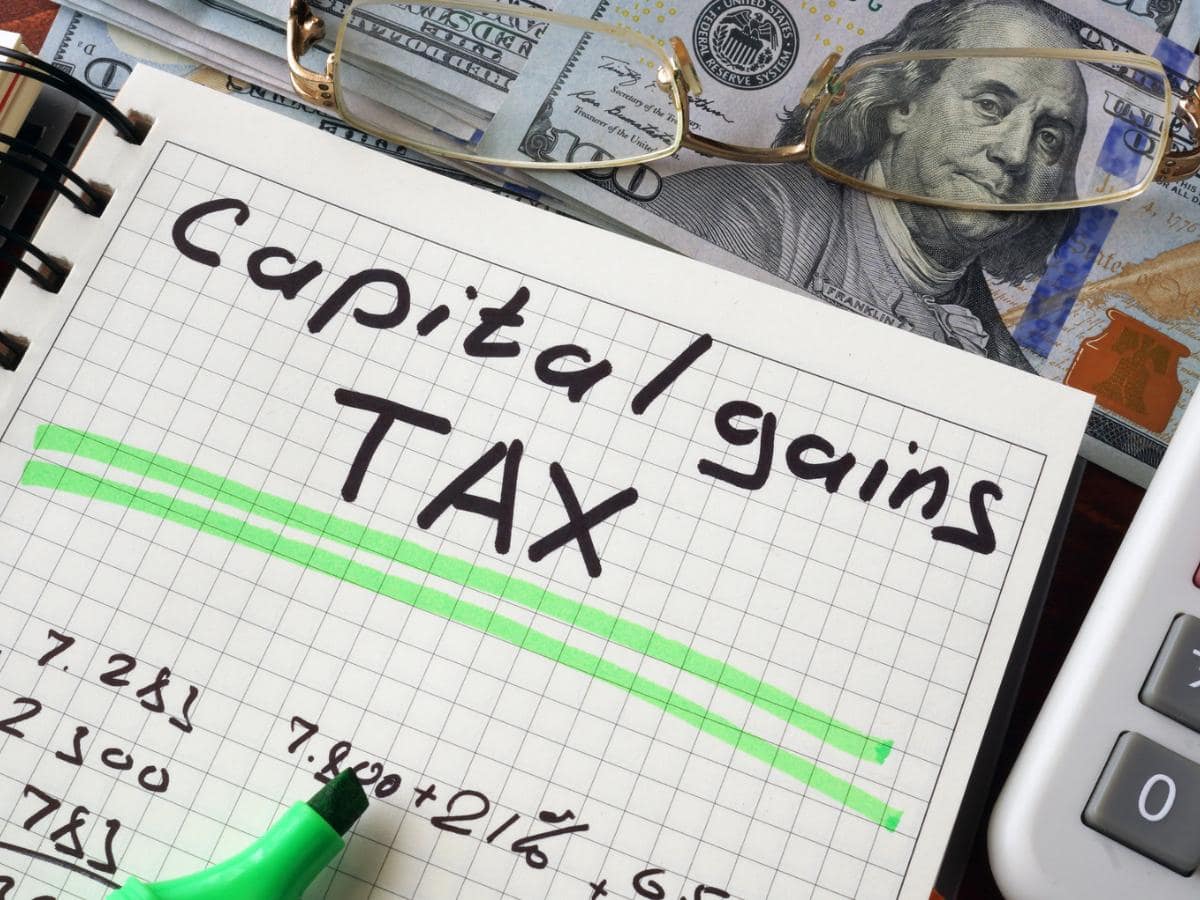
The Securities and Exchange Board of India (Sebi) has recommended removing long-term capital gains (LTCG) tax for foreign portfolio investors (FPIs), reported Reuters. The proposal has brought attention to the tax that applies to profits earned from selling investments after holding them for a specified period. Here is what LTCG tax means and the relevant details investors need to know.What is LTCG tax?Long-term capital gains tax is the tax an investor pays on the profit earned from selling an asset after holding it for a specified period.
The profit is called a capital gain, while the tax charged on it is known as LTCG tax. It applies to different asset classes, including shares, mutual funds, land, buildings and gold. However, the minimum holding period and applicable tax rates vary depending on the type of asset.
ALSO READ: Stock Market LIVE: Sensex off 500 pts from day's high, Nifty near 23,200; Nifty IT down nearly 1% For instance, listed equity shares and equity-oriented mutual funds must generally be held for more than 12 months to qualify as long-term investments. For immovable property, such as land and buildings, the holding period is more than 24 months.What is the LTCG tax rate in India?Following changes announced in the Union Budget 2024, long-term capital gains on eligible listed equity shares and equity-oriented mutual funds are taxed at 12.5 per cent. Investors get an annual exemption of ₹1.25 lakh on eligible gains from specified equity investments.
Gains exceeding this limit are taxed at 12.5 per cent, subject to applicable conditions, including securities transaction tax (STT) requirements.How is LTCG tax calculated?Suppose an investor purchases listed shares worth ₹2 lakh and sells them for ₹4 lakh after holding them for 18 months. The calculation would be:Purchase value: ₹2,00,000Selling value: ₹4,00,000Total capital gain: ₹2,00,000Exempt amount: ₹1,25,000Taxable capital gain: ₹75,000Tax at 12.5 per cent: ₹9,375The investor would therefore pay ₹9,375 as LTCG tax, excluding applicable cess and surcharge.What is the difference between LTCG and STCG?The distinction between long-term capital gains (LTCG) and short-term capital gains (STCG) depends on how long an investor holds an asset before selling it. For listed equity shares and equity-oriented mutual funds, a holding period of 12 months or less generally attracts STCG tax of 20 per cent.
If the investment is held for more than 12 months, the gains qualify for LTCG taxation at 12.5 per cent.How does India's LTCG tax compare with other major markets?India's tax treatment of long-term equity gains differs from that of several other major emerging markets, including China, Indonesia, Brazil and Vietnam. While India and Brazil tax eligible profits from share sales, some other markets levy a tax on the transaction value rather than on the profit earned. China: Individual investors are generally exempt from income tax on gains from selling shares listed on mainland stock exchanges.
A stamp duty of 0.05 per cent is levied on the sale transaction. Eligible foreign institutional investors also have a tax exemption on certain gains from mainland equity investments. Indonesia: The country levies a tax of 0.1 per cent on the gross value of share-sale transactions.
This is calculated on the sale value rather than the profit earned. Brazil: Capital gains from ordinary stock market transactions are generally taxed at 15 per cent, while profits from day trading attract a 20 per cent tax. The tax is calculated on net gains. Vietnam: Individual investors generally pay a tax of 0.1 per cent on the gross sale value of securities for each transaction, irrespective of whether the sale generates a profit.
Related Stories

Last chance to buy today ahead of record date! BN Agrochem announces split, stock delivers 28% return in 2 weeks
BN Agrochem shares were in focus ahead of the November 16 record date for a 1:10 stock split. Under the T+1 settlement cycle, November 13 was the final day to buy shares and qualify. The stock hit its sixth consecutive upper circuit, despite steep declines over the past year.
Stock Market Today: GIFT Nifty signals muted start; Brent Crude at $95/bbl
Stock market today: GIFT Nifty signals a muted start as Brent crude trades near $95, Asian markets rise and US stocks close lower.

US Fed sets new meeting schedule for 2027, as foretold by Chairman Kevin Warsh
The Federal Reserve will hold seven rate-setting meetings in 2027 instead of the customary eight, while dedicating its October gathering to broader monetary-policy strategy. The revised schedule also moves the years final policy meeting to November and removes designations for quarterly economic projections as Chair Kevin Warsh reviews the Feds communication practices.