
McKinsey's Eric Kutcher: AI could reduce national debt
McKinsey's Eric Kutcher says AI could help lift US growth and ease national debt. Energy constraints might limit data-center expansion, however.
A top McKinsey & Company executive said AI offers the best hope for easing the US debt burden. Eric Kutcher, a senior partner and chair of McKinsey North America, said Wednesday that the technology could lift the nation's productivity and help push US GDP growth closer to 4%. Real GDP grew at a 2.2% annualized pace in the second quarter, according to the latest government estimate.
"That would be the magic bullet," he told reporters at the firm's media day in New York. Kutcher made the statement in response to a question about what he hopes AI could solve for the firm or its clients. He said the country's debt is the chief issue that keeps him up at night.
Without the productivity gains AI could bring, Kutcher said, he sees no other way to tackle the national debt, which has topped $40 trillion. Investors' concerns about the country's rising debt have helped push Treasury yields higher, making the debt more expensive to finance. Kutcher isn't the only prominent voice to recently sound the alarm about the nation's debt.
Billionaire investor Ray Dalio warned Tuesday that he expects a debt crisis "within the next three years." Dalio, the founder of Bridgewater Associates, told Bloomberg Television that the size of the national debt and the speed at which it is growing mean the US is "approaching our limits." Infrastructure could stand in the way of the AI gains that Kutcher hopes could help ease the debt burden. He said energy constraints could curb data-center capacity by 25% to 30% unless the country expands power supplies. "That's not a simple problem to solve," he said.
Kutcher also spoke about hiring at the firm. He said that McKinsey expects to keep adding consultants in North America. He said the firm's consulting staff could grow at roughly the same pace as last year — about 12% — with 85% to 90% of hires continuing to come from campuses.
"I am actually incredibly bullish about what this opportunity is for our profession, in part because this is the most transformative moment that this generation will get to lead through," he said. "I think this is a once in every 50-year technology, and this is not new news. We're all seeing it, and experiencing it."
Related Stories

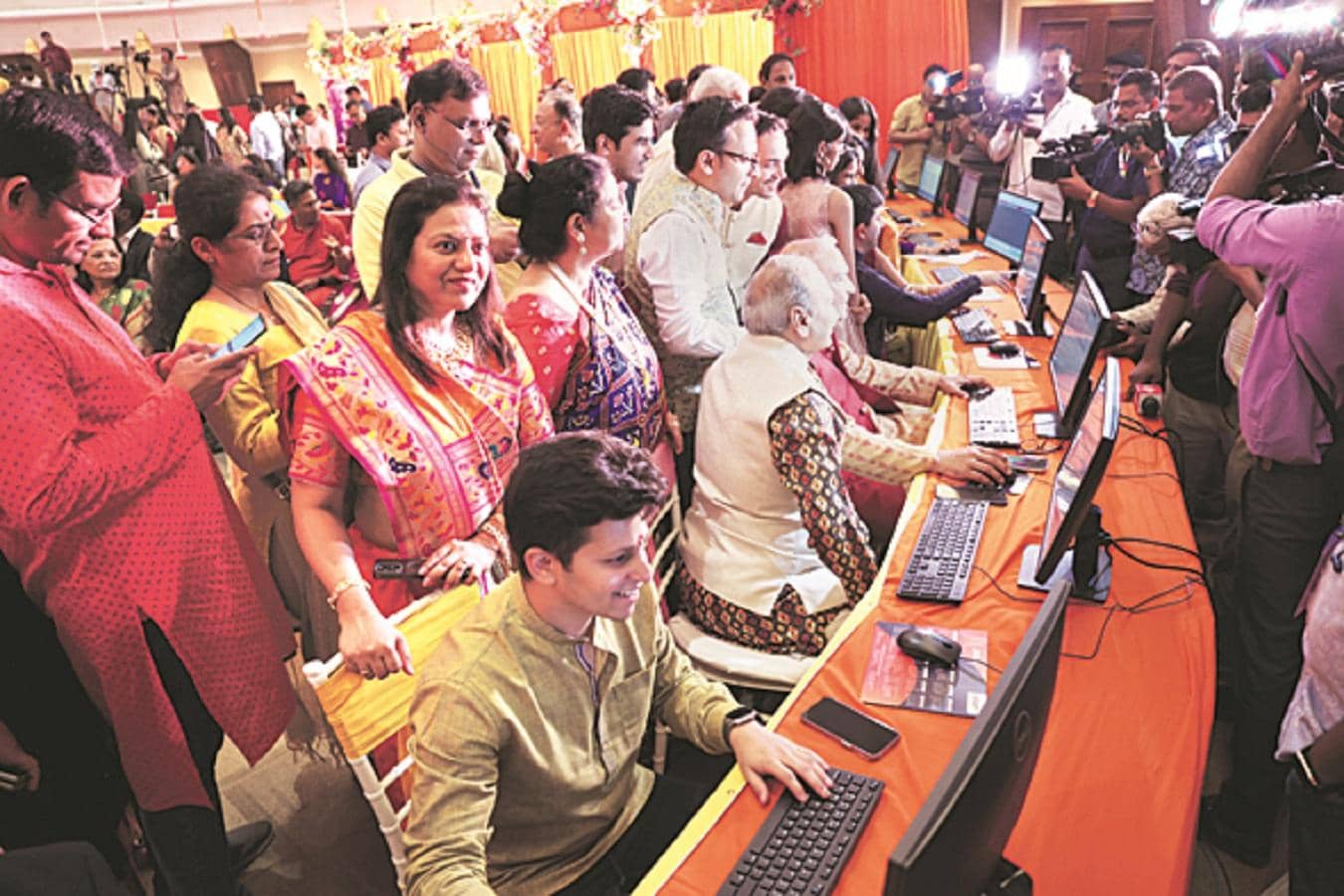
Muhurat Trading 2026: Samvat 2082 ends, Samvat 2083 begins - Sensex, Nifty end in red first time after 2017 | Reasons
Indian markets opened lower in Samvat 2083, with the Sensex and Nifty posting their first negative Muhurat Trading close since 2017. Rising oil prices, Middle East tensions, foreign investor outflows, a weaker rupee and higher US bond yields weighed on equities.

Nifty Outlook for November 9: Index eyes 25,500 after strongest weekly rally in five years
Looking ahead, the Nifty is expected to maintain a positive bias in the near term, supported by strong FII inflows, currency appreciation and resilient domestic fundamentals. However, following the sharp rally, some profit booking and intermittent consolidation cannot be ruled out.
ICICI Bank, Divi's among 14 NSE 500 stocks hit new highs in Muhurat session
Divi's Labs surged 6% to a new high of ₹10,950 in Diwali-special Muhurat trading session, after the pharma company reported 64% surge in Q2 net profit.