
How to invest ₹1 lakh in Samvat 2083? MOFSL's Siddhartha Khemka answers
Investors with a long-term horizon could deploy around 40-50 per cent of their intended allocation upfront, said Siddhartha Khemka.
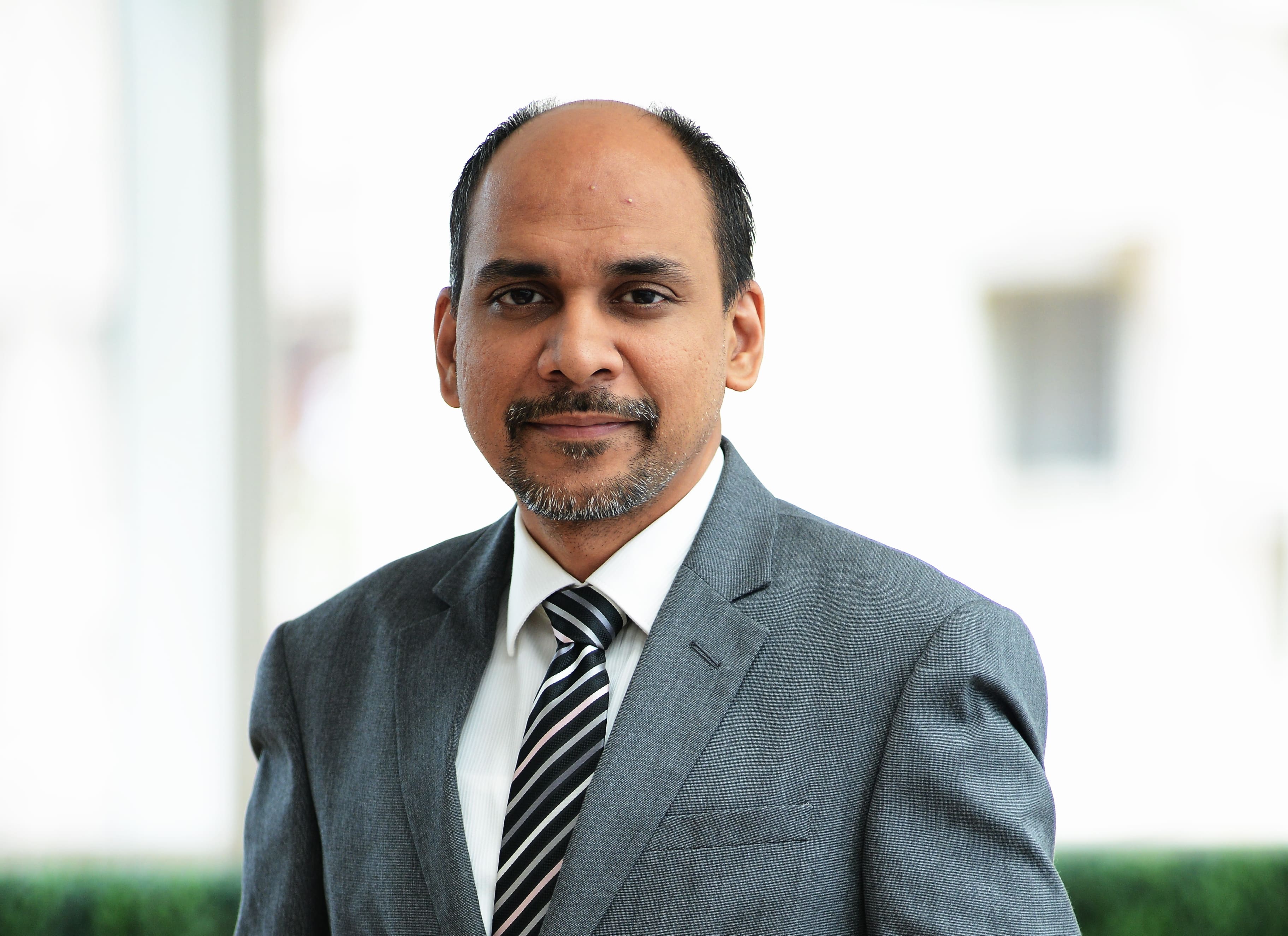
After a challenging Samvat 2082, Siddhartha Khemka, Head of Research - Wealth Management, Motilal Oswal Financial Services, believes the outlook for Indian equities is gradually improving. His optimism is underpinned by stronger earnings prospects and more reasonable valuations. Khemka, in an email interaction with Saloni Goel, discusses where investors should position themselves, how to navigate volatility, and what the year ahead could hold for equities and gold.
Edited excerpts: What is your broad outlook for Indian equities in Samvat 2083? Can investors expect another year of painful correction, or will returns start to show? Samvat 2083 begins with a cautious outlook.
While Indian equities faced significant pressure in Samvat 2082, driven largely by geopolitical uncertainty, elevated crude prices, and sustained FII selling, domestic economic fundamentals remain resilient. Valuations have also become more reasonable, with the Nifty trading at 17.5x forward earnings, around 16 per cent below its long-term average. With Nifty earnings expected to grow 17 per cent in FY27 and 15 per cent in FY28, we believe the prospects for equity returns have improved.
A sharp, broad-based correction is not our base case, although volatility may persist. The pace of recovery will depend on crude prices, global interest rates, and the return of foreign flows. ALSO READ: Samvat 2082: Sensex, Nifty set to post worst show in 15 years For investors looking to make fresh allocations this Diwali, is it better to invest a lump sum or stagger investments over the next few months?
A combination of both approaches would be prudent. While valuations have become more reasonable, global uncertainties and geopolitical risks could keep markets volatile in the near term. Investors with a long-term horizon could deploy around 40–50 per cent of their intended allocation upfront, focusing on quality businesses with strong earnings visibility, and stagger the balance over the next three to six months.
A staggered approach is particularly relevant for mid- and small-cap stocks, where valuations remain relatively elevated, and price swings can be sharper. This allows investors to participate in the market while retaining liquidity to take advantage of corrections. Foreign institutional investor flows have been an important market driver.
Do you expect FIIs to return in the new Samvat? FII flows are likely to remain volatile in the near term. Significant outflows during 2026 have been driven by elevated US bond yields, high crude prices, rupee depreciation and the relative attraction of AI-led markets such as Korea and Taiwan.
We expect foreign flows to gradually stabilise and potentially improve as global interest-rate expectations ease, crude prices moderate, the rupee stabilises, and India's relative valuation premium narrows further. A finalisation of key trade agreements and sustained corporate earnings delivery could also improve investor confidence. A return of FIIs is therefore possible, but it is likely to be gradual and dependent on a more supportive global environment.
ALSO READ: Markets in Samvat 2083: 6 key risks D-St should watch out for in new year For someone looking to deploy ₹1 lakh this Diwali with a three-year investment horizon, how would you suggest allocating across different asset classes? For a moderate-risk investor with a three-year horizon, a diversified allocation could comprise 50 per cent equities, 35 per cent high-quality debt and 15 per cent gold. Of the ₹50,000 equity allocation, around ₹25,000 could be invested in quality large-caps, ₹18,000 in fundamentally strong mid-caps and ₹7,000 in selective small-caps.
While earnings growth has broadened across market capitalisations, small-cap valuations still warrant caution. The ₹35,000 debt allocation could be in high-quality bonds or short-duration debt instruments to provide stability and predictable income. The remaining ₹15,000 could be in gold ETFs as a hedge.
The allocation should be aligned with individual risk appetite and reviewed periodically. Given the three-year horizon, investors should avoid excessive concentration in equities or taking undue risks in pursuit of higher returns. What could be the biggest challenges for investors and how should they hedge their risks?
The biggest challenges are likely to be geopolitical uncertainty, elevated crude prices, inflationary pressures, and volatile foreign flows. Any escalation in West Asia could push energy prices higher, putting pressure on the rupee, corporate margins, and inflation. Higher global interest rates could also delay the return of foreign investors.
Investors should manage these risks through disciplined asset allocation rather than trying to time the market. Maintaining a quality bias, diversifying across sectors and market capitalisations, avoiding leverage and keeping some exposure to gold can help cushion volatility. A meaningful allocation to high-quality debt can also provide portfolio stability.
Export-oriented businesses may offer some natural protection against rupee depreciation. After a glittering year, gold's rally has come to a halt. Where do you see the precious metal headed, and how important is it as an asset class?
Gold's near-term outlook remains volatile, as elevated energy prices, inflation concerns, and expectations of tighter US monetary policy have weighed on prices. A sustained decline in global bond yields or a softer US dollar could support a recovery, while persistent inflation and higher interest rates may keep prices under pressure. Over the medium to long term, gold continues to have a role in portfolios given geopolitical uncertainty, central-bank diversification and concerns around global fiscal stability.
However, investors should view it primarily as a portfolio diversifier and hedge rather than chase returns after a sharp rally. Disclaimer: Views and outlook in this report belong to the brokerages and analysts cited. They do not reflect the views of Business Standard. Readers are advised to exercise discretion.
Related Stories

Last chance to buy today ahead of record date! BN Agrochem announces split, stock delivers 28% return in 2 weeks
BN Agrochem shares were in focus ahead of the November 16 record date for a 1:10 stock split. Under the T+1 settlement cycle, November 13 was the final day to buy shares and qualify. The stock hit its sixth consecutive upper circuit, despite steep declines over the past year.
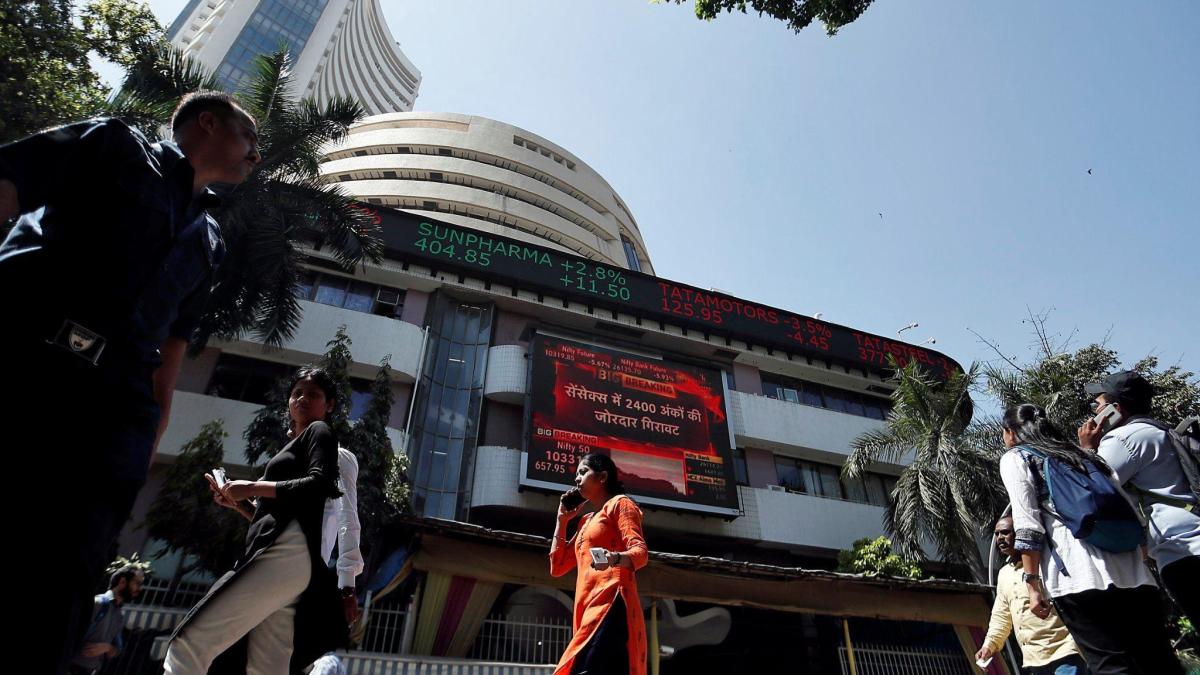
Stock Market Today: GIFT Nifty signals muted start; Brent Crude at $95/bbl
Stock market today: GIFT Nifty signals a muted start as Brent crude trades near $95, Asian markets rise and US stocks close lower.
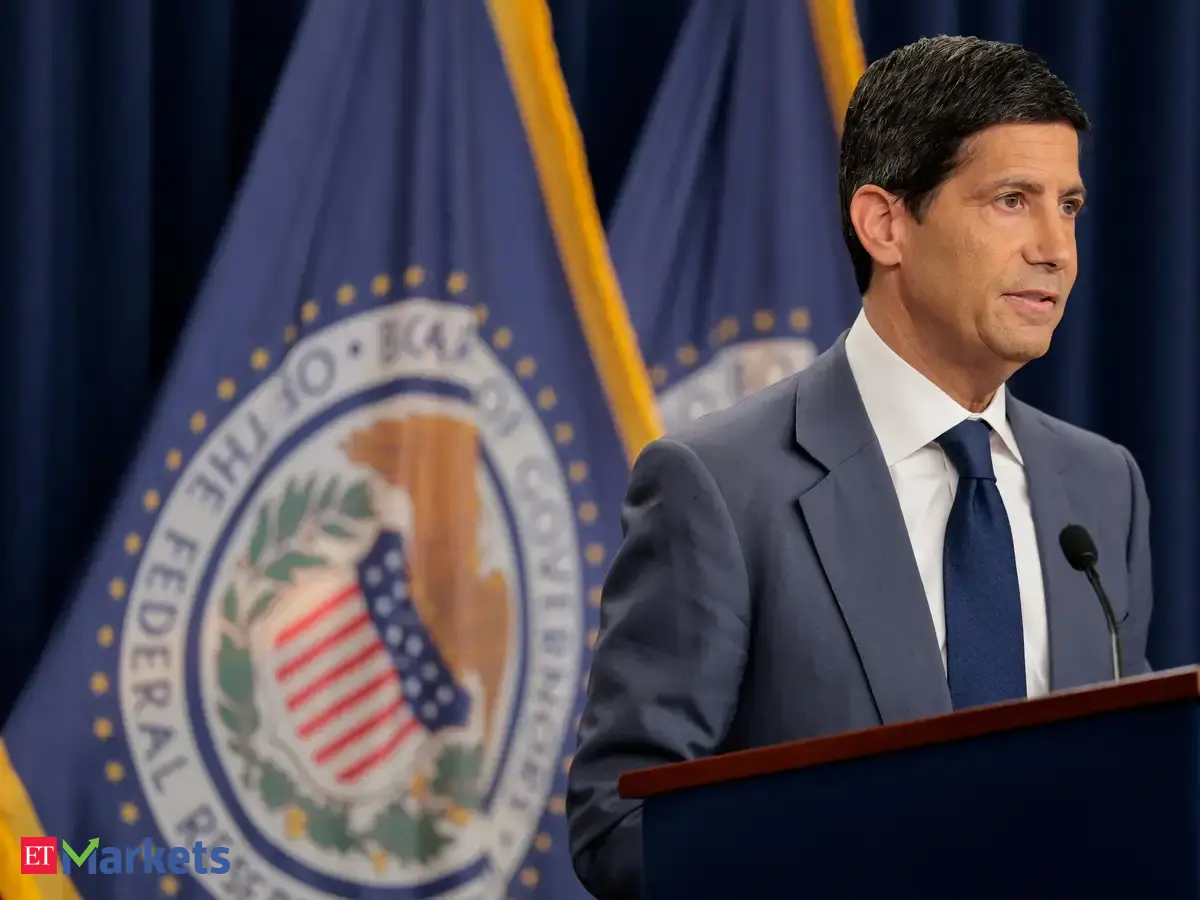
US Fed sets new meeting schedule for 2027, as foretold by Chairman Kevin Warsh
The Federal Reserve will hold seven rate-setting meetings in 2027 instead of the customary eight, while dedicating its October gathering to broader monetary-policy strategy. The revised schedule also moves the years final policy meeting to November and removes designations for quarterly economic projections as Chair Kevin Warsh reviews the Feds communication practices.