
Ex-HSBC banker barred from finance after train fare evasion conviction
Joseph Molloy, a former HSBC executive, used a method called "donutting" to avoid almost $8,000 of train fares.
A former HSBC executive learned that a train ticket can become a career-ending expense in finance. Joseph Molloy was barred on Thursday by the UK’s Financial Conduct Authority from regulated financial services work after a criminal conviction for dodging fares. Molloy, 53, who until his retirement last year was the head of passive equity at HSBC Asset Management, used a method called "donutting" on journeys from his home on the outskirts of London to HSBC's office in the city.
Instead of buying a ticket for his whole commute, he bought tickets for short journeys at either end, leaving an unpaid "hole" in the middle. Prosecutors said he used false names and addresses to obtain multiple travel cards and improperly claimed a travel discount intended for unemployed job seekers. The court heard the plan was used 740 times over 11 months, avoiding £5,911, or roughly $7,900, in fares.
In February, Inner London Crown Court sentenced Molloy to 10 months' imprisonment, suspended for 18 months. He was barred from the railway operator for a year, ordered to complete 80 hours of unpaid work and pay £5,000, around $6,605 in compensation, plus costs and a victim surcharge. The Financial Conduct Authority issued what amounts to a lifetime prohibition from the industry.
FCA-regulated firms cannot employ Molloy in a regulated role unless the regulator later lifts the ban. The agency said the conviction showed a "clear and serious" lack of honesty and integrity, so he was not "fit and proper" for regulated work. In the US, the Financial Industry Regulatory Authority, or FINRA, oversees brokerage firms and the brokers who work for them.
It can permanently bar brokers from the industry, typically for misconduct involving clients or securities. The FCA’s power is broader: it can prohibit someone from working in regulated finance if it decides they are not fit and proper, including because of dishonesty outside the office. The lesson for bankers: an off-the-clock fraud can still call professional trustworthiness into question.
Related Stories

Muhurat Trading 2026: Samvat 2082 ends, Samvat 2083 begins - Sensex, Nifty end in red first time after 2017 | Reasons
Indian markets opened lower in Samvat 2083, with the Sensex and Nifty posting their first negative Muhurat Trading close since 2017. Rising oil prices, Middle East tensions, foreign investor outflows, a weaker rupee and higher US bond yields weighed on equities.
Nifty Outlook for November 9: Index eyes 25,500 after strongest weekly rally in five years
Looking ahead, the Nifty is expected to maintain a positive bias in the near term, supported by strong FII inflows, currency appreciation and resilient domestic fundamentals. However, following the sharp rally, some profit booking and intermittent consolidation cannot be ruled out.
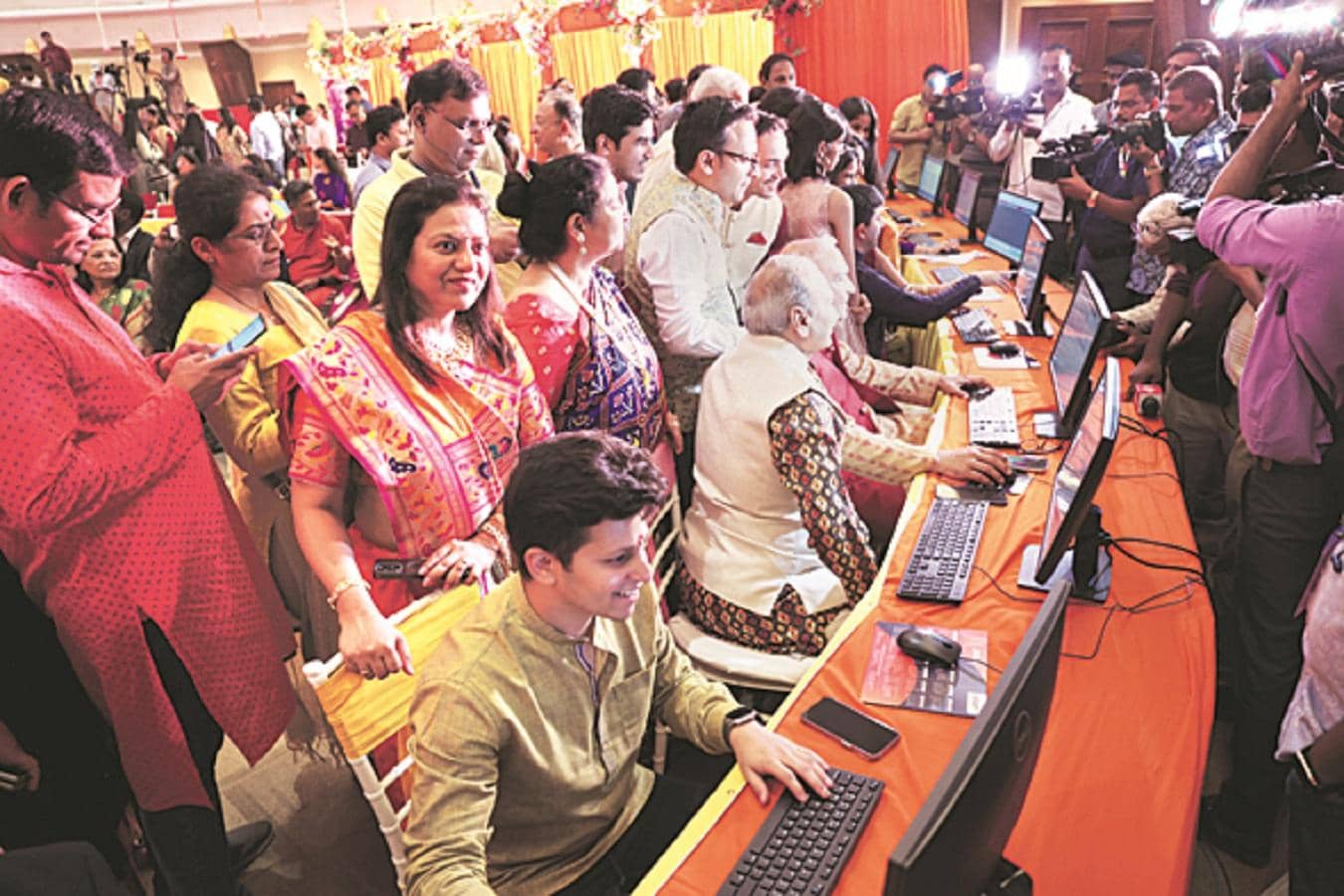
ICICI Bank, Divi's among 14 NSE 500 stocks hit new highs in Muhurat session
Divi's Labs surged 6% to a new high of ₹10,950 in Diwali-special Muhurat trading session, after the pharma company reported 64% surge in Q2 net profit.