
Diwali Muhurat Trading 2026 LIVE: Check top stocks picks; know what to buy as fireworks ready for special session today
Diwali Muhurat Trading 2026 LIVE: Since 2006, Sensex has ended lower on only four occasions, whereas the Nifty 50 index has ended lower on just five ceremonial special Diwali sessions

Diwali Muhurat Trading 2026 LIVE: After a strong rally over seven straight sessions, the Indian stock market is set for the ceremonial Muhurat Trading session on Diwali, i.e., 8 November 2026. The Muhurat Trading session 2026 will begin at 2:20 PM and end at 3:30 PM. Ahead of the special session on Sunday, investors and market observers are busy guessing whether the key indices Nifty 50, Sensex and Bank Nifty will maintain their track record and end higher on Sunday's special session or not.Diwali Muhurat Trading 2026: Key timings and trading scheduleAccording to the exchange circulars, trading members will be allowed to log in between 1:15 pm and 1:50 pm, followed by the block deal window from 1:50 pm to 2:05 pm.
The pre-opening session will run from 2:05 pm to 2:20 pm, while the continuous trading session will take place from 2:20 pm to 3:30 pm.The periodic call auction session is scheduled to run from 2:25 pm to 3:20 pm.Closing auction activities will take place between 3:15 pm and 3:35 pm, while the closing session for non-CAS securities will run from 3:30 pm to 3:50 pm.The closing buffer period for CAS securities is scheduled from 3:35 pm to 3:50 pm, followed by the post-closing session from 3:50 pm to 4 pm.In the commodity market, the Multi Commodity Exchange (MCX) will also conduct a special Muhurat Trading session.The pre-session will run from 2:05 pm to 2:10 pm, followed by the acceptance of limit orders between 2:10 pm and 2:15 pm. The order matching and confirmation window is scheduled from 2:15 pm to 2:17 pm, with the period until 2:20 pm set aside as buffer time.Diwali Muhurat Trading 2026: What history reflectsAccording to data available on HDFC Sky, from 2006 to 2025, the Nifty 50 index closed lower than its previous close on just five occasions: 2007, 2009, 2012, 2016, and 2017. The 50-stock index has been finishing higher since 2018.
The 30-stock index Sensex finished lower on just four occasions: 2007, 2012, 2016, and 2017. So, in the last ten years, both Nifty 50 and Sensex have ended higher for the last eight straight sessions, and the key indices have ended higher on 8 out of 10 Muhurat Trading sessions in the last 10 years. This means the decadal strike rate for both the Sensex and the Nifty is 80%, and market observers expect it to rise to 90%.Diwali Muhurat Trading 2026: Will the rally continue?Whether this winning streak for the last eight years would continue on the ceremonial Muhurat Trading 2026 session on Diwali 2026 date, Sumeet Bagadia, Executive Director at Choice Broking, said, “The broader bias remains positive, although some profit booking or consolidation may follow the sharp rally.”Expecting a positive Muhurat Trading session 2026 on Sunday, Ganesh Dongre, AVP — Equity Research at Anand Rathi, said, “During Muhurat Trading sessions, buying takes more during the early session and profit-booking triggers at the end of the session.
This means we can expect the key indices to open with an upside gap and end below their opening levels. However, chances are high for the Nifty 50 and Sensex to end higher as global market sentiment is supportive.”
Related Stories

Last chance to buy today ahead of record date! BN Agrochem announces split, stock delivers 28% return in 2 weeks
BN Agrochem shares were in focus ahead of the November 16 record date for a 1:10 stock split. Under the T+1 settlement cycle, November 13 was the final day to buy shares and qualify. The stock hit its sixth consecutive upper circuit, despite steep declines over the past year.
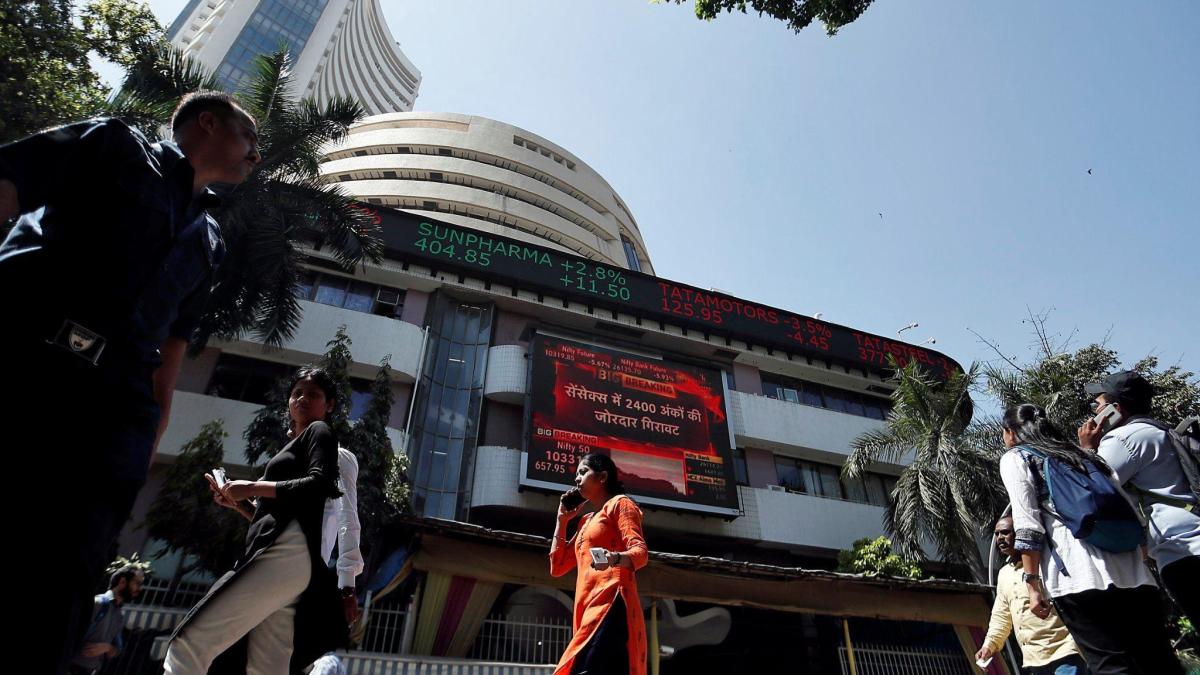
Stock Market Today: GIFT Nifty signals muted start; Brent Crude at $95/bbl
Stock market today: GIFT Nifty signals a muted start as Brent crude trades near $95, Asian markets rise and US stocks close lower.
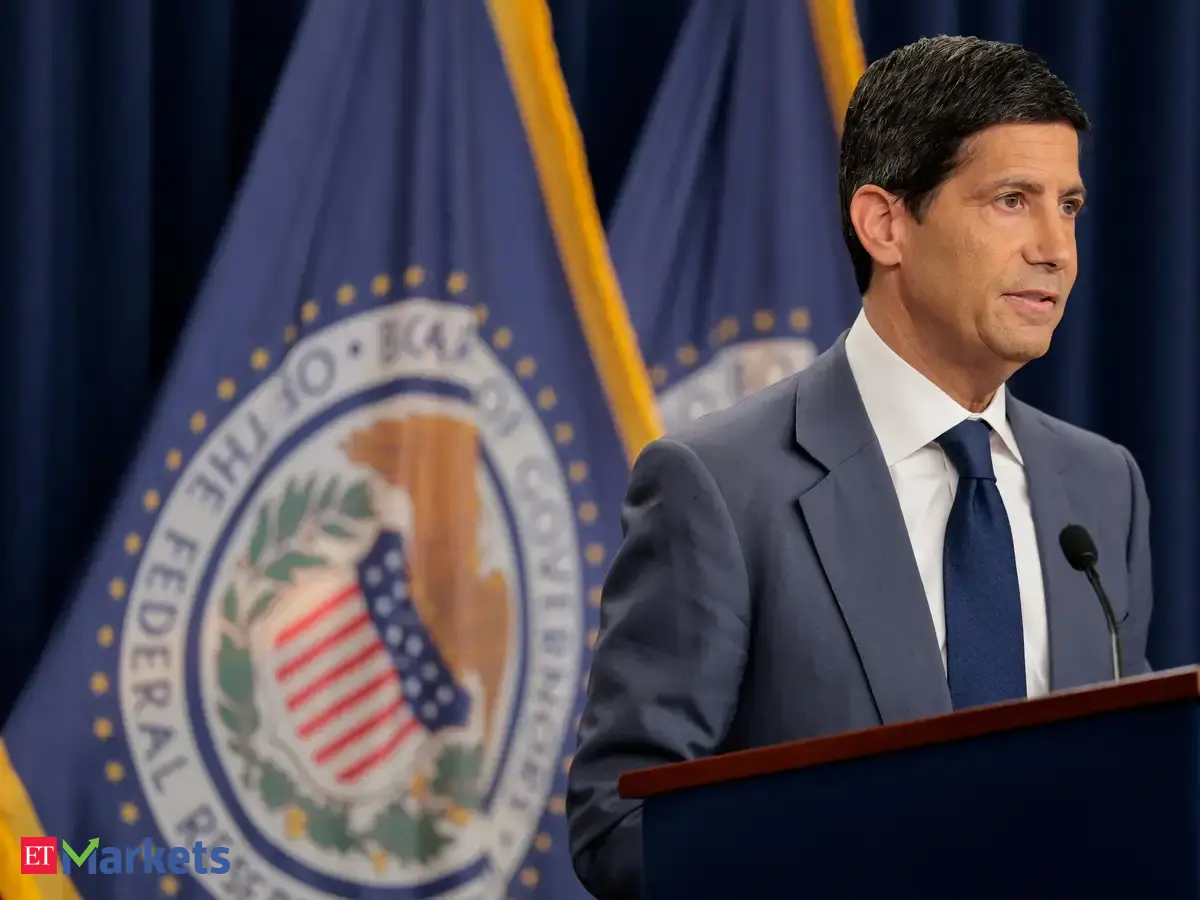
US Fed sets new meeting schedule for 2027, as foretold by Chairman Kevin Warsh
The Federal Reserve will hold seven rate-setting meetings in 2027 instead of the customary eight, while dedicating its October gathering to broader monetary-policy strategy. The revised schedule also moves the years final policy meeting to November and removes designations for quarterly economic projections as Chair Kevin Warsh reviews the Feds communication practices.