
CAS chaos: Sensex swings over 2,200 points in four minutes
The weekly Sensex derivatives expiry saw extreme volatility during the closing auction session, swinging over 2,200 points due to heavy sell orders in key index heavyweights and broader market pressure.
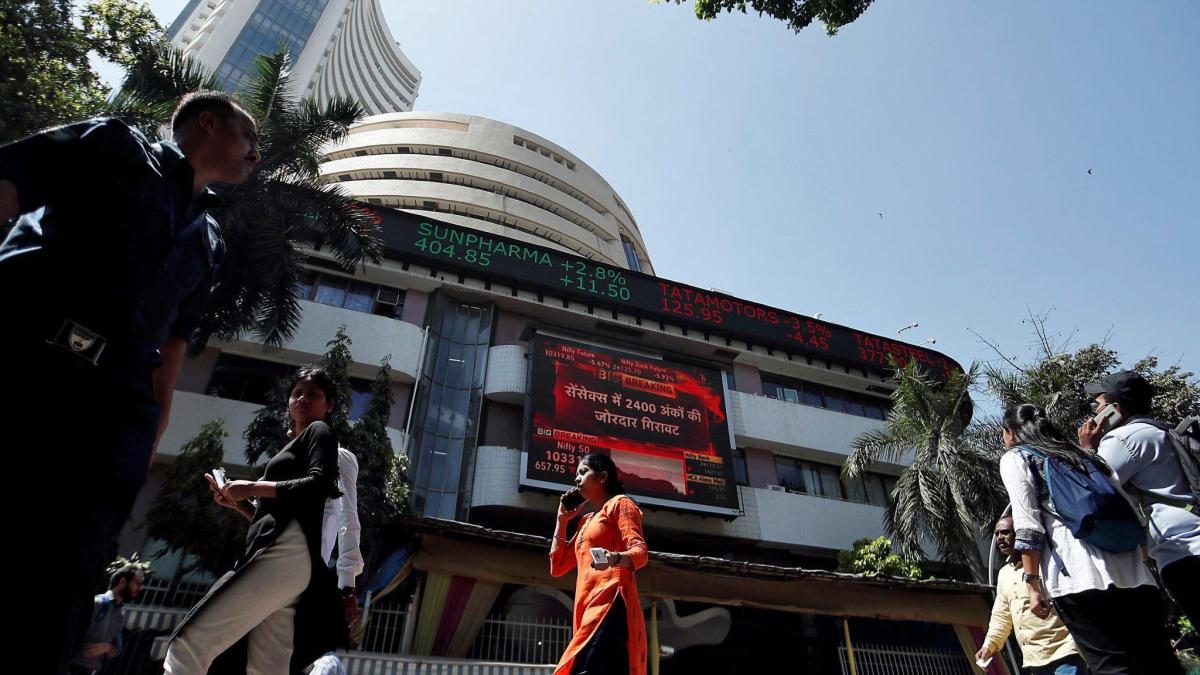
The weekly expiry of Sensex derivatives on Thursday witnessed sharp volatility during the closing auction session (CAS), with the index swinging more than 2,200 points in just four minutes.
The indicative closing value of the Sensex plunged nearly 1,250 points from 73,536 to 72,287 between 3:24 pm and 3:26 pm. However, the index recovered much of the lost ground over the next two minutes to close at 73,249. The sharp decline and subsequent recovery highlighted the extreme volatility during the closing auction.
Market experts attributed the wild swings largely to heavy sell orders in some of the index’s heavyweight stocks during CAS.
Anand James, chief market strategist at Geojit Investments, said the sharp decline was primarily driven by selling in Reliance Industries and Larsen & Toubro (L&T), which together account for about 15% of the Sensex. Selling pressure in other major constituents, including Bharti Airtel, Infosys and Eternal, also contributed to the volatility.
A senior brokerage official said sharp movements during CAS have become a recurring feature on derivatives expiry days. However, despite the extreme swings in indicative prices, the final closing level of the Sensex was broadly in line with expectations.
Apart from selling in index heavyweights, weak market sentiment and external pressures also contributed to the heightened volatility.
Chandan Taparia, head of derivatives and technicals at Motilal Oswal Financial Services, said the market was facing significant selling pressure, with retail and high-net-worth individual (HNI) investors appearing to liquidate positions, particularly in mid- and small-cap stocks.
He pointed to Wednesday’s trading session, when markets witnessed sharp declines and heightened volatility despite domestic and foreign institutional investors emerging as net buyers. Margin-related selling has added to the pressure, he said.
According to Taparia, geopolitical uncertainties and elevated crude oil prices continue to weigh on market sentiment and limit any meaningful recovery. However, the recent sharp sell-off has also pushed the market towards oversold territory, potentially limiting further declines.
Since its introduction on August 3, CAS has witnessed repeated episodes of sharp volatility, particularly on weekly and monthly derivatives expiry days.
Taking cognisance of concerns over extreme price fluctuations during the closing auction, the Securities and Exchange Board of India (Sebi), following a consultation process, decided to revert to the earlier method of determining derivatives settlement prices using the volume-weighted average price (VWAP) of the final 30 minutes of continuous trading. The revised mechanism will take effect from December 7.
Until then, derivatives traders may have to brace for further volatility, particularly during next week’s monthly expiry.
James cautioned that the long positions built up in stocks during the previous week’s market recovery, when the Nifty appeared to be gaining momentum, have not yet been substantially unwound. Any concentrated unwinding of these positions on expiry day could trigger another round of sharp price movements.
Taparia also expects volatility to persist during the upcoming monthly expiry, given the build-up of short positions amid the market’s recent downward trend.
Related Stories

Silver crashes ₹56000/kg from August peak; gold slides 23000/10 grams. What’s driving the selloff in precious metals
Silver has fallen ₹56,000 from its August peak, and gold has also declined sharply as higher yields reduce the appeal of non-yielding assets. Middle East tensions have pushed oil prices higher, adding to inflation concerns and uncertainty over the Federal Reserve’s next move.

Jana Small Finance Bank Q2 results: Net profit more than doubles to ₹170 crore, NIM improves to 7.5%
Net interest income rose 35% year-on-year, while the gross loan portfolio expanded 22%. The bank’s net NPA ratio, however, increased sequentially.
An AI creator stole my joke. I blame Meta and feel powerless.
George Brett Olson is among comedians who've recently been calling out AI accounts for ripping off their work.