
Big US bank stocks head for longest weekly losing streak since 2008
Major US banks are experiencing their longest weekly losing streak since the 2008 financial crisis, driven by mixed quarterly earnings and rising inflation. The KBW Bank Index has fallen about 13% since its August peak, continuing a trend of losses. Concerns about artificial intelligence disrupting financial services contribute to the negative sentiment toward the sector. Analysts highlight challenges involving elevated interest rates potentially slowing economic growth.
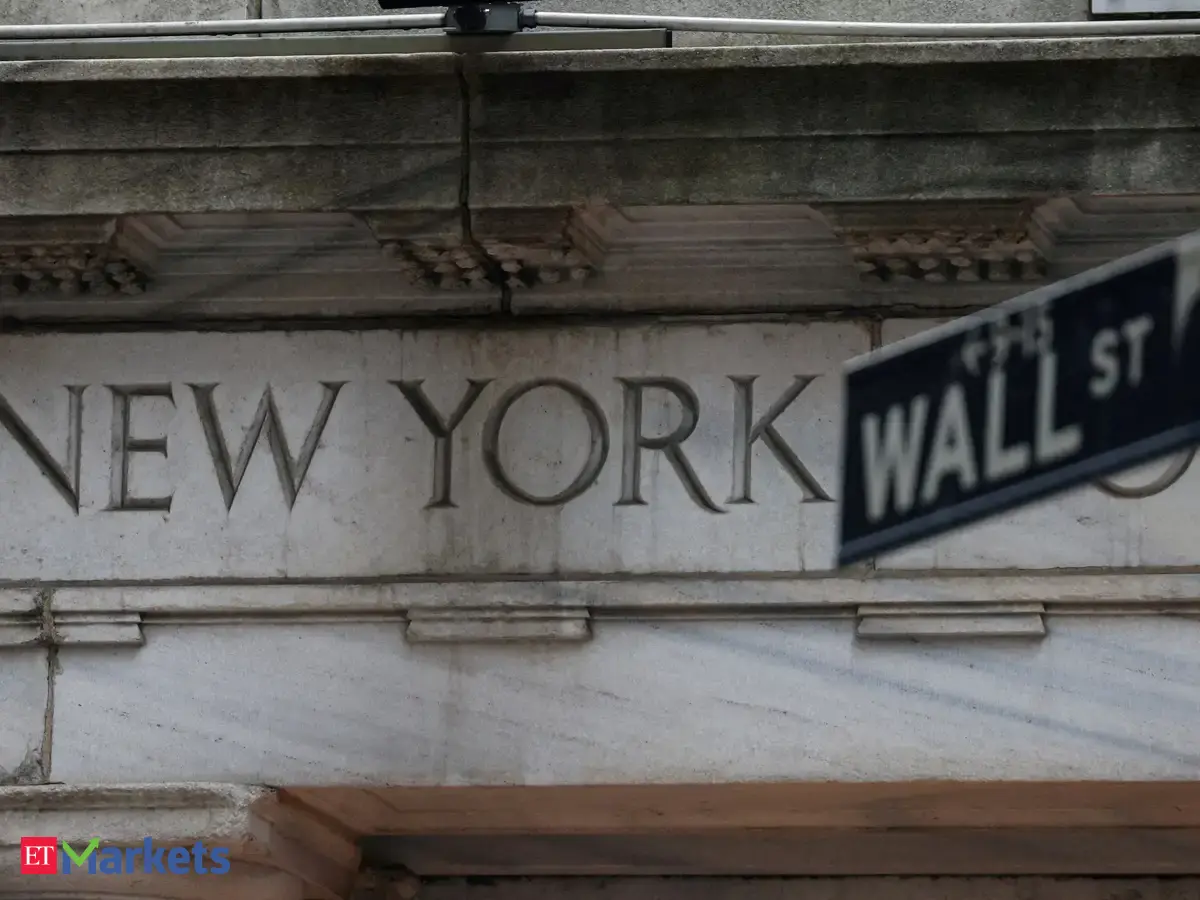
Shares of major US banks headed for their longest weekly losing streak since the 2008 global financial crisis after mixed quarterly earnings failed to improve sentiment toward the struggling sector, Bloomberg News reported.
The 24-member KBW Bank Index fell about 1.3% during the week and remained in correction territory, having declined roughly 13% from its August record. Although the group had suffered steeper selloffs—including a nearly 17% decline earlier in the year—it was on course for a sixth consecutive weekly loss, its longest such run since 2008.
Bank stocks had already come under pressure amid concerns about how artificial intelligence could disrupt financial services. A hotter-than-expected inflation reading added to uncertainty over how aggressively the Federal Reserve would act to rein in persistent price pressures.
According to Bloomberg Intelligence analyst Herman Chan, large banks faced several challenges, including the prospect of interest rates remaining elevated for longer, which could slow economic growth and increase loan losses . Third-quarter results did little to reverse the weakness, as disappointing fixed-income trading offset strength in equities.
Persistent weakness in bank shares also raised concerns about the wider economy because lenders played a key role in supporting growth through credit.
Chan said rising funding costs for AI companies had created fresh uncertainty about the durability of capital-markets revenue linked to infrastructure investment. He added that agentic AI could pose a longer-term threat to the stable, low-cost deposits that supported bank profitability.
The KBW Bank Index underperformed the S&P 500 in 18 of the 21 trading sessions following the Fed’s September 16 interest-rate increase, Barclays analyst Jason Goldberg wrote. He said no comparable rolling 21-session stretch had occurred since the index was created in May 1992.
Related Stories

Muhurat Trading 2026: Samvat 2082 ends, Samvat 2083 begins - Sensex, Nifty end in red first time after 2017 | Reasons
Indian markets opened lower in Samvat 2083, with the Sensex and Nifty posting their first negative Muhurat Trading close since 2017. Rising oil prices, Middle East tensions, foreign investor outflows, a weaker rupee and higher US bond yields weighed on equities.
Nifty Outlook for November 9: Index eyes 25,500 after strongest weekly rally in five years
Looking ahead, the Nifty is expected to maintain a positive bias in the near term, supported by strong FII inflows, currency appreciation and resilient domestic fundamentals. However, following the sharp rally, some profit booking and intermittent consolidation cannot be ruled out.
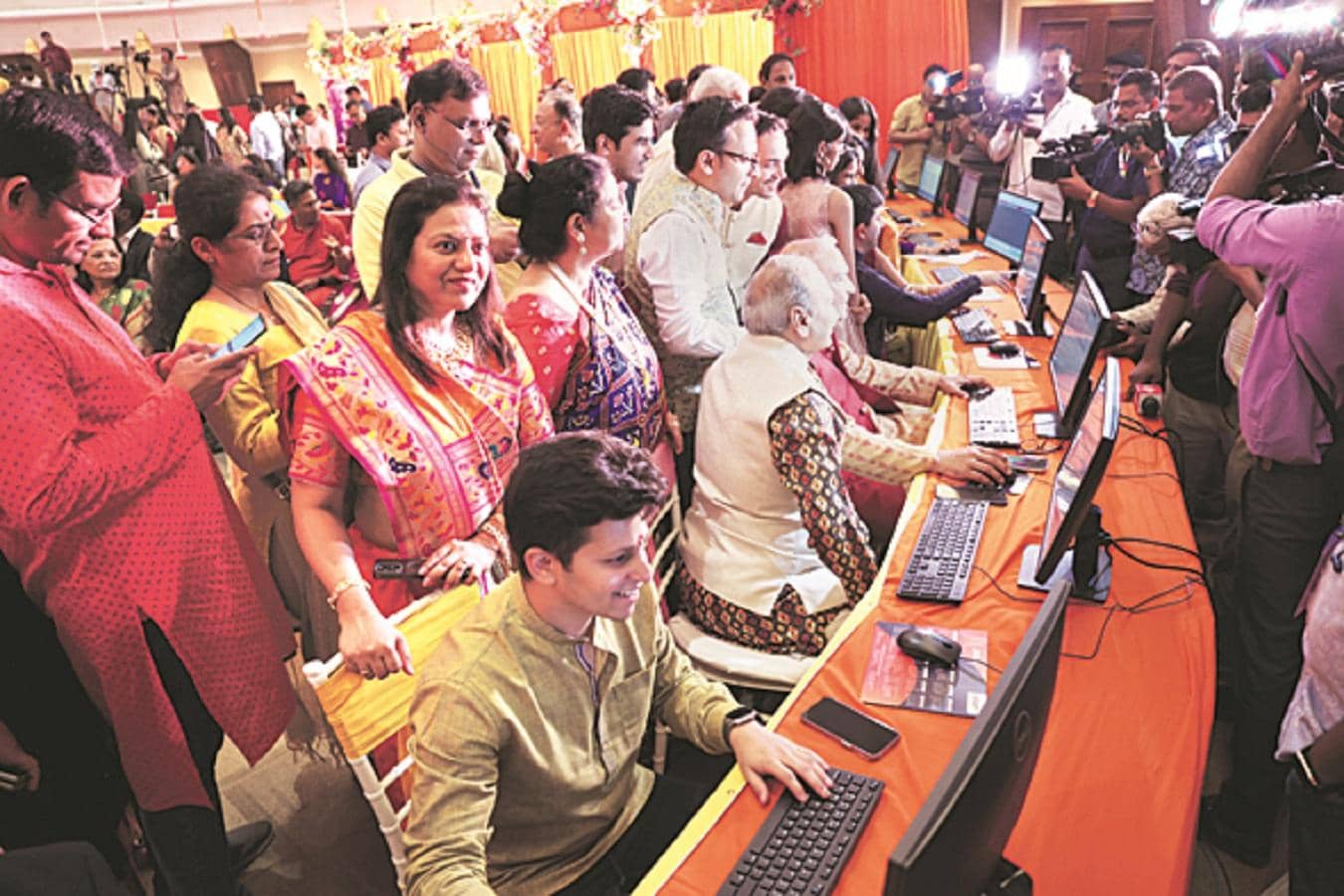
ICICI Bank, Divi's among 14 NSE 500 stocks hit new highs in Muhurat session
Divi's Labs surged 6% to a new high of ₹10,950 in Diwali-special Muhurat trading session, after the pharma company reported 64% surge in Q2 net profit.